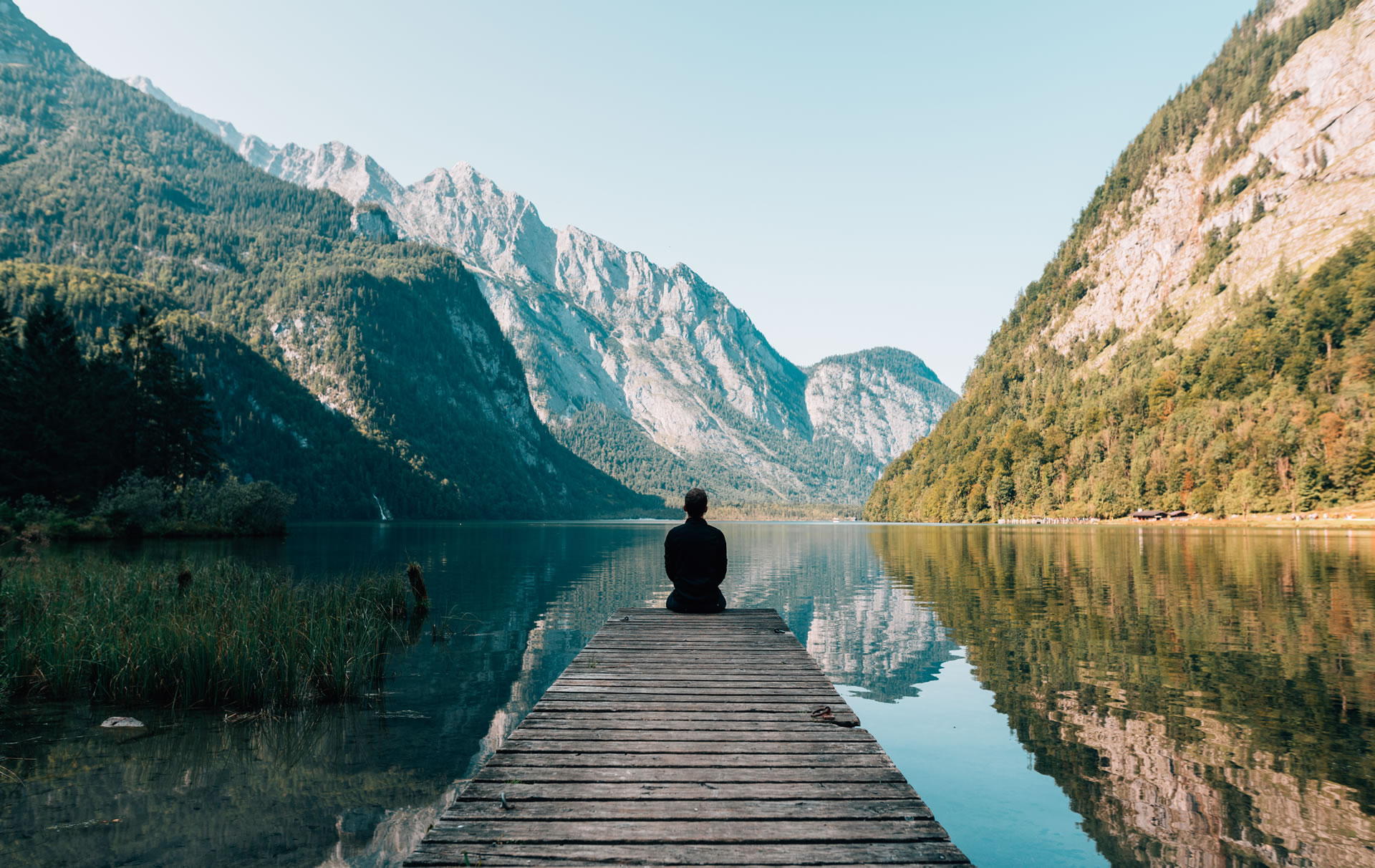

- Remarkable stories surround ice fishing during winters quiet moments
- Understanding Ice Safety and Essential Gear
- Selecting the Right Location and Target Species
- Mastering Ice Fishing Techniques: Bait and Lures
- Understanding Jigging Techniques
- Staying Safe on the Ice: Essential Precautions
- The Evolving World of Ice Fishing Technology
- Beyond the Catch: The Social and Spiritual Aspects
Remarkable stories surround ice fishing during winters quiet moments
The tranquility of a frozen landscape often draws people to the pastime of ice fishing, a unique blend of patience, skill, and connection with nature. It's a pursuit steeped in tradition, yet constantly evolving with technological advancements. For many, it's not just about catching fish; it’s about escaping the hustle of daily life and finding solace in the quiet beauty of winter. The appeal of ice fishing extends across generations and geographical boundaries, creating a shared experience for enthusiasts worldwide.
This activity requires preparation and awareness, as safety is paramount when venturing onto frozen bodies of water. Understanding ice conditions, having the right equipment, and knowing how to react in emergency situations are all crucial aspects of a successful and safe ice fishing excursion. Beyond the practicalities, ice fishing fosters a sense of community, bringing people together to share stories and celebrate the thrill of the catch. The simple act of drilling a hole in the ice can unlock a world of adventure and peaceful contemplation.
Understanding Ice Safety and Essential Gear
Before even thinking about the potential for a bountiful catch, understanding ice safety is the most important consideration for anyone planning an ice fishing trip. Ice thickness isn't uniform across a lake or pond, and can vary drastically due to currents, springs, or even animal activity. A minimum of four inches of clear, blue ice is generally considered safe for walking, but six inches is recommended for snowmobiles or small vehicles. It’s imperative to check ice conditions frequently, and to never fish alone. Carrying ice picks is a vital safety precaution – they can be used to self-rescue if you fall through the ice.
Essential gear extends beyond just safety equipment. A reliable ice auger is needed to create the fishing hole, and the size should be appropriate for the type of fish being targeted. A comfortable shelter, like a pop-up ice fishing hut or a well-insulated ice shack, can provide protection from the elements. Fishing rods designed for ice fishing are typically shorter and more sensitive than those used in open-water fishing. Finally, a variety of lures, bait, and tools such as a fish finder are all necessary components. Preparing a comprehensive checklist before each trip is crucial to ensure nothing is forgotten.
| Gear Item | Estimated Cost (USD) | Importance |
|---|---|---|
| Ice Auger (Hand or Power) | $80 – $400 | Essential |
| Ice Picks | $20 – $50 | Essential |
| Ice Shelter | $150 – $800+ | Highly Recommended |
| Ice Fishing Rod & Reel | $40 – $150 | Essential |
| Fish Finder | $100 – $500+ | Optional, but Helpful |
Investing in quality gear will not only enhance your experience but also contribute to your safety and success on the ice. Remember, being prepared is half the battle when it comes to enjoying this winter sport.
Selecting the Right Location and Target Species
Choosing the right location is paramount to a successful ice fishing trip. Different fish species inhabit different types of water bodies and prefer specific depths and structures. Lakes with varying depths, underwater points, weed beds, and submerged timber are often productive areas. Using a lake map or a fish finder can help identify these potential hotspots. Talking to local bait shop owners or experienced ice anglers can also provide valuable insights into where the fish are biting.
The target species will significantly influence your choice of location and techniques. For example, if you’re targeting northern pike, you'll likely focus on areas with weed beds and rocky structures. If you’re after trout, deeper water and areas near inlets or springs may be more productive. Walleye often congregate along drop-offs and points. Understanding the habits and preferences of your target species is key to maximizing your chances of success. Doing some research on the specific lake or pond you plan to fish will greatly increase your odds of landing a good catch.
- Lake Size: Larger lakes typically hold a wider variety of fish.
- Water Depth: Different species prefer different depths throughout the winter.
- Structure: Look for underwater points, weed beds, and submerged timber.
- Accessibility: Consider the ease of getting to and from your chosen location.
- Local Regulations: Always check and adhere to local fishing regulations.
Ultimately, the best location is one where fish are actively feeding. Paying attention to factors like weather patterns and recent fishing reports can provide valuable clues.
Mastering Ice Fishing Techniques: Bait and Lures
Selecting the appropriate bait or lure is crucial for attracting fish. Live bait, such as minnows, waxworms, and maggots, are often highly effective, especially for species like perch, crappie, and walleye. The presentation of live bait is also important – hook size, leader length, and the way the bait is suspended can all impact your success. Jigs tipped with live bait are a classic and versatile ice fishing setup.
However, artificial lures can also be incredibly effective, especially for more aggressive species like pike and trout. Spoons, jigging raps, and ice flies are all popular choices. Experimenting with different colors, sizes, and actions is key to finding what the fish are responding to on a given day. Varying the retrieval technique – from slow, subtle jigs to aggressive, erratic movements – can also trigger strikes. The right lure, presented correctly, can entice even the most finicky fish to bite.
Understanding Jigging Techniques
Jigging is a fundamental technique in ice fishing. It involves repeatedly lifting and dropping the lure, creating a lifelike swimming action that attracts fish. The height and speed of the jigging motion can be adjusted to suit the preferences of the target species and the water conditions. A subtle, slow jig is often effective in clear water, while a more aggressive jigging action may be needed in murky water. Paying attention to the feel of the line can also provide clues about whether a fish is investigating your lure.
Experimentation is crucial when it comes to jigging. Try different jigging patterns, such as a simple up-and-down motion, a sweeping arc, or a series of short, choppy movements. Adding a small rattle or vibration to your lure can also attract attention. The goal is to create a presentation that mimics the natural movements of prey and entices fish to strike.
Staying Safe on the Ice: Essential Precautions
Safety must be the top priority when participating in ice fishing. Before venturing onto the ice, always check the local weather forecast and be aware of potential hazards, such as rapidly changing temperatures or strong winds. As previously mentioned, ice thickness is a critical factor, and it’s essential to check it regularly. Consider using an ice chisel or auger to test the ice in multiple locations. Avoid areas where there is running water or where the ice appears dark or slushy.
Always inform someone of your plans and expected return time. Carry a fully charged cell phone or a two-way radio for communication in case of an emergency. Dress in layers of warm, waterproof clothing, and wear a life jacket or a buoyant suit. Bringing a first-aid kit and extra supplies is also a good idea. Understanding and practicing self-rescue techniques, such as using ice picks, can be life-saving. Prioritizing safety will ensure a more enjoyable and worry-free ice fishing experience.
- Check Ice Thickness Regularly
- Never Fish Alone
- Inform Someone of Your Plans
- Dress in Layers
- Carry Safety Equipment (Ice Picks, Life Jacket, First-Aid Kit)
Remember, the fish will still be there tomorrow if conditions aren't safe today. Don't take unnecessary risks.
The Evolving World of Ice Fishing Technology
Ice fishing, while rooted in tradition, has seen significant advancements in technology over the years. High-tech fish finders, particularly those with GPS capabilities, allow anglers to map underwater structures and locate fish with pinpoint accuracy. Underwater cameras provide a real-time view of what's happening beneath the ice, helping anglers understand fish behavior and adjust their tactics accordingly. Portable, battery-powered ice augers have made creating fishing holes much easier and more efficient.
Modern ice shelters are often equipped with advanced insulation and ventilation systems, providing a comfortable and safe environment even in extreme weather conditions. The availability of specialized ice fishing lures and baits has also expanded, giving anglers more options to choose from. These technological advancements have undoubtedly improved the chances of success for ice anglers, but they shouldn't overshadow the importance of traditional skills and knowledge. A strong understanding of ice safety, fish behavior, and basic fishing techniques remains essential, regardless of the technology used.
Beyond the Catch: The Social and Spiritual Aspects
While the pursuit of a large fish is often a motivating factor, ice fishing offers much more than just a potential harvest. It’s an opportunity to connect with nature, to escape the pressures of everyday life, and to enjoy the serenity of a frozen landscape. The camaraderie among ice anglers is often strong, with people readily sharing tips, stories, and laughter. Many ice fishing communities organize tournaments and events that foster a sense of belonging and friendly competition.
For some, ice fishing is a deeply spiritual experience, a chance to reconnect with the natural world and to find peace and solitude. The quiet stillness of the ice, the beauty of the winter scenery, and the anticipation of a bite can be incredibly rewarding. The simple act of sitting patiently by a hole in the ice can be a meditative practice, allowing anglers to clear their minds and appreciate the present moment. The enduring popularity of ice fishing speaks to its ability to fulfill a deep-seated human need for connection with nature and with each other.
