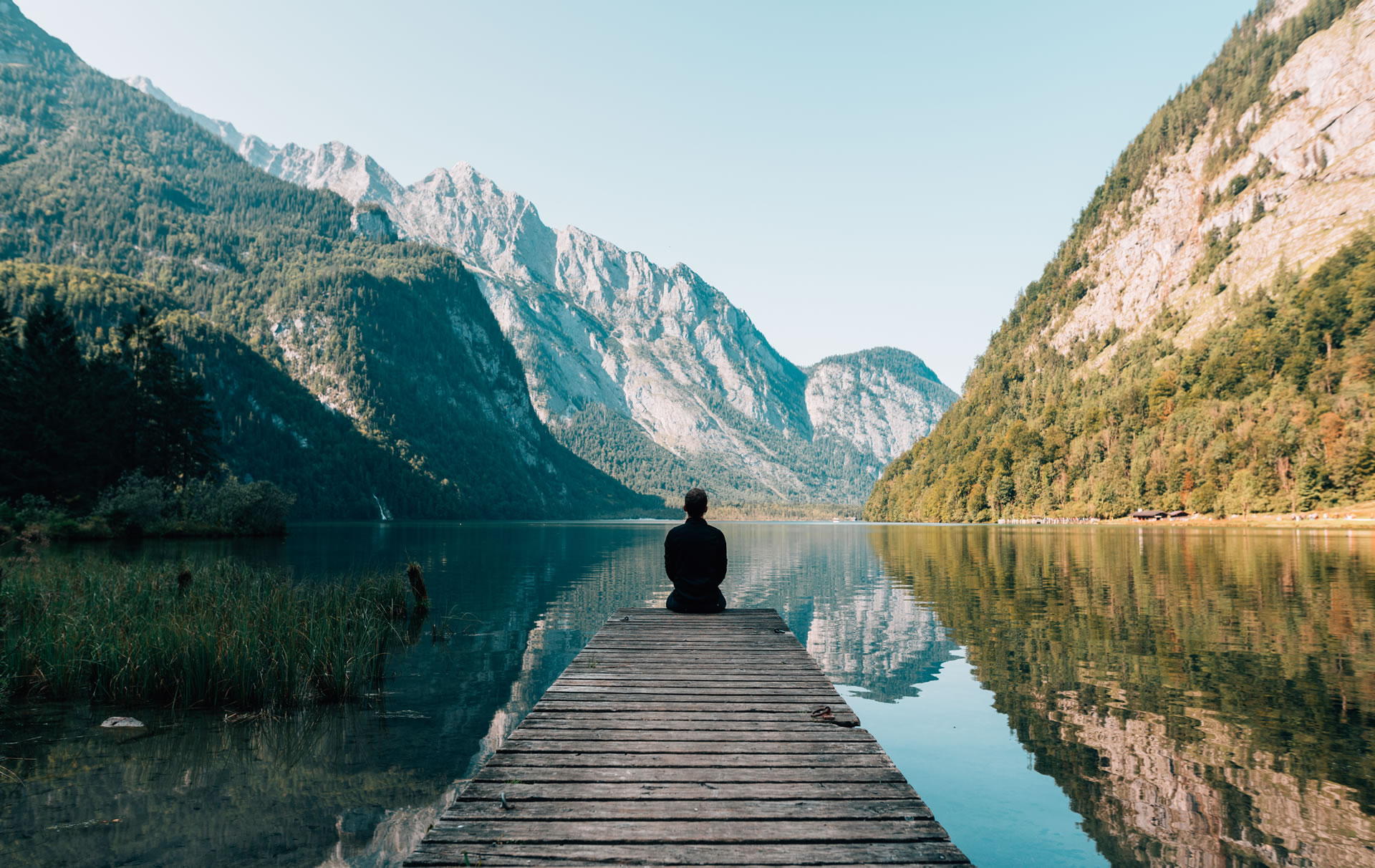

- Authentic journeys reveal the beauty of skyhills and lasting memories abound
- The Geological Foundations of Skyhill Landscapes
- The Role of Glaciation in Shaping the Terrain
- The Ecological Significance of Skyhill Habitats
- Conservation Efforts and Sustainable Land Management
- Recreational Opportunities in Skyhill Regions
- Planning a Safe and Responsible Outdoor Adventure
- The Cultural and Historical Significance of Skyhills
- Experiencing the Tranquility: Emerging Trends in Skyhill Tourism
Authentic journeys reveal the beauty of skyhills and lasting memories abound
The allure of expansive, rolling landscapes often captivates the human spirit, drawing us towards places where the horizon seems to stretch endlessly and the air feels fresher. These locations, often characterized by gentle hills and open skies, offer a sense of tranquility and escape from the bustle of modern life. Many seek out these destinations for recreation, relaxation, and a reconnection with nature, finding solace in their peaceful atmosphere. Exploring such areas, particularly those known as skyhills, presents opportunities for both physical activity and mental rejuvenation, creating experiences that linger long after the journey ends.
The appreciation for gently sloping terrain and wide-open vistas isn't a modern phenomenon. Throughout history, people have been drawn to these geographical features, often associating them with prosperity, spiritual significance, and strategic advantage. From ancient settlements built upon hillsides for defensive purposes to the pastoral imagery frequently depicted in art and literature, the influence of these landscapes is deeply ingrained in human culture. Today, the appeal remains strong, fueled by a desire to disconnect from technology and immerse oneself in the natural world. They represent a space for contemplation, adventure, and a profound sense of freedom.
The Geological Foundations of Skyhill Landscapes
The formation of skyhill landscapes is a complex process shaped by millions of years of geological activity. Unlike the dramatic peaks of mountain ranges, skyhills typically result from erosion and the gradual wearing down of older, more substantial formations. These areas frequently exhibit undulating topography, with gentle slopes and rounded summits, sculpted by the relentless forces of wind and water. The underlying rock structures often play a crucial role, with softer sedimentary rocks eroding more rapidly than harder igneous or metamorphic rocks, leading to the characteristic shape of these hills. Understanding these geological processes provides insight into the long and fascinating history of the land.
The Role of Glaciation in Shaping the Terrain
In regions that have experienced glacial periods, the influence of ice is particularly noticeable. Glaciers, immense rivers of ice, possess tremendous erosive power, carving out valleys, smoothing hillsides, and depositing sediment as they advance and retreat. The movement of glaciers can create distinctive features such as moraines – ridges of accumulated debris – and eskers – sinuous ridges formed by streams flowing beneath the ice. These glacial remnants contribute to the unique character of skyhill areas, adding complexity and diversity to the landscape. The slow, deliberate power of ice provides a stark contrast to the faster processes of wind or water erosion, and leaves a distinct mark on the terrain.
| Geological Process | Typical Landforms |
|---|---|
| Erosion (Wind & Water) | Rounded hills, Valleys, Gullies |
| Glaciation | Moraines, Eskers, U-shaped Valleys |
| Sedimentation | Rolling plains, Alluvial Fans |
| Folding & Faulting | Ridges, Escarpments, Valleys |
The interplay between these geological forces creates a dynamic environment, continually evolving and adapting over time. The composition of the soil, the drainage patterns, and the plant life all reflect the underlying geological history of the skyhills, making each area uniquely fascinating and worthy of exploration. From a scientific perspective, studying these landscapes provides valuable clues about the earth's past and the processes that continue to shape our planet.
The Ecological Significance of Skyhill Habitats
Skyhill environments harbor a remarkable diversity of plant and animal life, often supporting unique ecosystems that are adapted to the specific conditions present. The relatively gentle slopes and varied microclimates create a mosaic of habitats, ranging from open grasslands and woodlands to scrublands and wetlands. These diverse habitats provide refuge for a wide array of species, including birds, mammals, insects, and reptiles. The ecological importance of skyhills extends beyond their immediate boundaries, as they often function as crucial corridors connecting larger, more fragmented ecosystems. Protecting these areas is therefore essential for maintaining biodiversity and preserving ecological integrity.
Conservation Efforts and Sustainable Land Management
Effective conservation requires a multifaceted approach, encompassing habitat restoration, invasive species control, and sustainable land management practices. Many organizations and government agencies are actively involved in protecting skyhill ecosystems, working with landowners and local communities to implement conservation strategies. These strategies often focus on promoting responsible grazing practices, preventing deforestation, and mitigating the impacts of climate change. Sustainable land management aims to balance the needs of human populations with the imperative of preserving biodiversity and ecological function. This necessitates a long-term perspective and a commitment to collaborative decision-making.
- Protecting native grasslands and preventing conversion to farmland.
- Implementing controlled burns to maintain habitat health.
- Restoring degraded wetlands and riparian areas.
- Managing invasive plant and animal species.
- Promoting responsible recreational activities.
The success of these conservation efforts relies on public awareness and support. Educating communities about the ecological value of skyhills and encouraging responsible stewardship are crucial steps in ensuring their long-term preservation. By fostering a sense of connection to these landscapes, we can inspire a collective commitment to their protection for future generations.
Recreational Opportunities in Skyhill Regions
The gentle topography and scenic beauty of skyhill landscapes make them ideal destinations for a wide range of recreational activities. Hiking and biking are particularly popular, offering opportunities to explore the rolling hills and enjoy panoramic views. Many areas also offer excellent opportunities for horseback riding, birdwatching, and nature photography. Additionally, skyhills often provide a peaceful setting for camping, picnicking, and simply relaxing outdoors. The accessibility of these landscapes, coupled with their natural charm, makes them appealing to visitors of all ages and abilities. The relatively low elevation and gentle gradient also make them more accessible to individuals with varying levels of fitness.
Planning a Safe and Responsible Outdoor Adventure
Prior to embarking on any outdoor adventure, it is essential to plan carefully and take appropriate safety precautions. This includes checking the weather forecast, informing someone of your itinerary, and packing essential supplies such as water, food, sunscreen, and a first-aid kit. Be aware of potential hazards such as wildlife encounters, changing weather conditions, and uneven terrain. It’s also important to practice Leave No Trace principles, minimizing your impact on the environment by packing out all trash, staying on designated trails, and respecting wildlife. Responsible outdoor recreation helps to ensure that these beautiful landscapes remain pristine for future generations.
- Check the weather forecast before heading out.
- Inform someone of your hiking or biking route and expected return time.
- Pack sufficient water, food, and appropriate clothing.
- Carry a first-aid kit and a map/compass or GPS device.
- Be aware of potential hazards, such as wildlife and changing weather.
The opportunity to connect with nature and engage in physical activity in a serene environment is a significant benefit of visiting skyhill regions. Whether you’re seeking a challenging hike, a leisurely bike ride, or simply a peaceful escape from the stresses of daily life, these landscapes offer something for everyone. They provide a vital respite from the hustle and bustle of urban environments and a chance to reconnect with the natural world.
The Cultural and Historical Significance of Skyhills
Throughout history, skyhills have held cultural and historical significance for numerous societies. Their prominence often made them ideal locations for settlements, forts, and ceremonial sites. Indigenous peoples frequently regarded these landscapes as sacred places, imbuing them with spiritual meaning and incorporating them into their traditions and beliefs. Later, European settlers often chose skyhill locations for farms and ranches, recognizing their agricultural potential and strategic advantages. The remnants of these past human activities – archaeological sites, historic buildings, and traditional land-use patterns – serve as reminders of the enduring relationship between people and the land.
Preserving these cultural landscapes requires careful stewardship and a commitment to understanding their historical context. Archaeological research can uncover valuable insights into the lives of past inhabitants, while historical preservation efforts can help to protect significant buildings and structures. Engaging with local communities and incorporating their knowledge into conservation planning is also crucial. By honoring the cultural heritage of skyhill regions, we can gain a deeper appreciation for their significance and ensure that their stories are preserved for future generations.
Experiencing the Tranquility: Emerging Trends in Skyhill Tourism
A growing trend in tourism focuses on immersive, nature-based experiences that emphasize sustainability and cultural sensitivity. Visitors are increasingly seeking authentic interactions with local communities and a deeper understanding of the natural environment. This shift is driving demand for eco-lodges, farm-to-table dining experiences, and guided tours that highlight the unique ecological and cultural features of skyhill regions. The emphasis is on minimizing environmental impact and supporting local economies. This type of tourism fosters a more responsible and respectful approach to travel, benefitting both visitors and host communities alike. It also shifts the focus away from mass tourism and towards smaller, more curated experiences.
Furthermore, the rise of “slow travel” encourages visitors to spend more time in a single location, immersing themselves in the local culture and savoring the simple pleasures of life. Skyhill landscapes are particularly well-suited to this type of travel, offering a relaxed pace and opportunities for meaningful connection with the surrounding environment. This trend underscores the growing desire for authentic experiences that go beyond superficial sightseeing and provide a deeper sense of fulfillment. The enduring appeal of skyhills lies in their ability to provide a sanctuary from the pressures of modern life and a chance to reconnect with nature and oneself.
